
Fqas
Frequently Asked
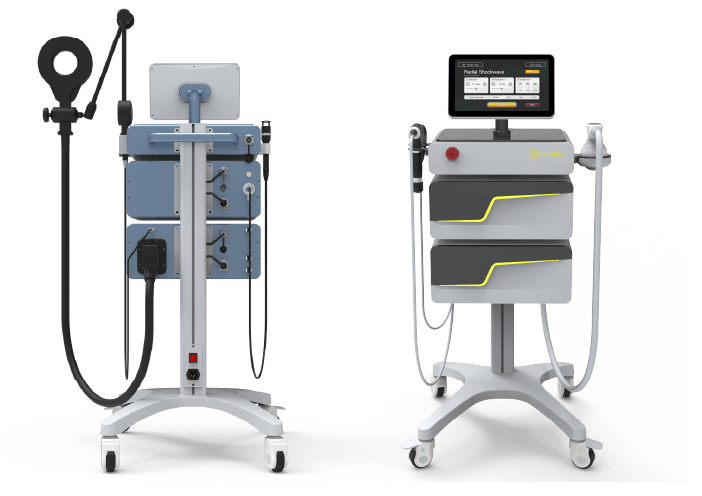
Q1: What is TECAR therapy?
A: TECAR (Transfer of Energy Capacitive and Resistive) is a radiofrequency treatment that accelerates natural healing, relieves pain, and supports both rehabilitation and aesthetic applications.
Q2: How does TECAR therapy work?
A: It works through two treatment modes:
Q3: What conditions can TECAR therapy treat?
A: It is effective for:
Q4: What are the key benefits of TECAR therapy?
A:
Q5: How much does TECAR therapy cost?
A: Pricing varies by condition and clinic:
Q6: Is TECAR therapy painful?
A: No. Patients typically feel a gentle warmth that is comfortable and relaxing.
Q7: How soon will I see results?
A: Many notice improvements after 1–3 sessions, with lasting results after a complete treatment plan.
Q8: Can TECAR therapy replace surgery?
A: Not in all cases, but it often helps patients avoid or delay invasive procedures by supporting natural healing.
Q1: What is vibration therapy?
A: Vibration therapy is a non-invasive mechanical treatment that delivers high-frequency oscillations (10–200 Hz) through handheld or platform-based devices. It stimulates tissues to improve muscle performance, circulation, and recovery.
Q2: How does vibration therapy work?
A: The rapid oscillations activate muscle spindles, causing reflexive contractions. They also improve blood flow, enhance lymphatic drainage, and modulate pain by reducing muscle hypertonicity.
Q3: What are the key benefits of vibration therapy?
A:
Q4: What conditions can vibration therapy help with?
A: Clinical applications include:
Q5: How long does a session last?
A: Typical sessions last 5–15 minutes per area. Treatments are often scheduled 3–5 times per week, depending on goals and condition.
Q6: Who can benefit from vibration therapy?
A: It is suitable for athletes, rehabilitation patients, elderly individuals seeking bone and muscle support, and anyone needing non-invasive pain relief and recovery.
Q1: How does the EMFOCUS Focused Shockwave Therapy System work?
A: EMFOCUS uses an advanced electromagnetic mechanism. High-voltage coils accelerate a metal membrane to generate planar shockwaves. These waves are transmitted through a water-coupled interface and focused precisely at the treatment site.
Q2: What is the difference between focused shockwave and radial shockwave therapy?
A: Focused shockwave penetrates deeper (up to 12 cm) with a precise focal point (3–5 mm), reducing surface impact by 80% compared to radial shockwave. This spares surrounding tissues and avoids epidermal damage.
Q3: What conditions can EMFOCUS treat?
A: It is FDA-cleared for orthopedic and pain applications, including:
Q4: What are the clinical benefits of EMFOCUS therapy?
A: Clinical studies demonstrate:
Q5: How safe is focused shockwave therapy?
A: The system is non-invasive and tissue-sparing. It does not cause skin damage or thermal risks, and delivers energy with <5% variation for consistent results.
Q6: How long does a treatment session take?
A: A typical session lasts 15–30 minutes. Most patients undergo 3–5 sessions, usually once per week, with immediate return to daily activities afterward.
Q7: What makes EMFOCUS different from other systems?
A:
Frequently Asked Questions
Q: Is ultrasound therapy painful?
A: No—patients typically feel only a mild warmth or tingling sensation during treatment.
Q: How deep does ultrasound therapy penetrate?
A: Depending on the frequency (1 MHz or 3 MHz), it can reach 2–5 cm beneath the skin.
Q: Can ultrasound therapy replace medications?
A: While not a substitute for all medications, it often reduces reliance on painkillers by addressing the root cause of pain naturally.
Q: Who should avoid ultrasound therapy?
A: It is not recommended for use over open wounds, cancerous areas, or during pregnancy.
Q: How long does each session take?
A: A typical ultrasound therapy session lasts between 5–15 minutes, depending on the size and severity of the treatment area.
Q: What conditions respond best to ultrasound therapy?
A: It is particularly effective for tendonitis, muscle strains, ligament sprains, bursitis, joint stiffness, and scar tissue management.
Q: Can ultrasound therapy speed up recovery after surgery or injury?
A: Yes—its deep heating and micro-massage effects can accelerate tissue repair, improve circulation, and reduce swelling.
Q: Are there any side effects of ultrasound therapy?
A: Side effects are rare. Some patients may experience temporary redness or mild tenderness in the treated area, which usually resolves quickly.
Q: Can ultrasound therapy be combined with other treatments?
A: Absolutely—it is often used alongside manual therapy, exercise programs, and electrotherapy for more comprehensive rehabilitation.
Q: How soon can I expect results?
A: Many patients notice reduced pain and improved mobility within 3–5 sessions, though chronic conditions may require longer treatment plans.
Treatment Basics
Q: How does LLLT differ from high-intensity laser therapy?
A: LLLT uses lower power (typically 5-500mW) for non-thermal photobiomodulation, making it ideal for sensitive areas and chronic conditions requiring gentle, cumulative effects.
Clinical Applications
Q: What conditions can be treated with your LLLT device?
A: Our dual-wavelength system is particularly effective for:
Treatment Experience
Q: What does LLLT feel like during treatment?
A: Most patients feel no sensation or just mild warmth. The "cold laser" technology ensures completely pain-free sessions with no thermal damage.
Technology Advantages
Q: Why does your device use 808nm/1064nm wavelengths?
A: This combination provides:
Safety & Side Effects
Q: Is LLLT safe for long-term use?
A: Yes, our FDA-cleared device:
Treatment Protocol
Q: How many sessions are typically needed?
A: Treatment plans vary by condition:
Mechanism of Action
Q: How does light therapy actually work?
A: Through three key biological mechanisms:
Home vs Clinic Use
Q: Can I use this device at home?
A: Yes, our system is:
Comparative Benefits
Q: Why choose LLLT over other therapies?
A: Key advantages include:
Post-Treatment Care
Q: What should I do after LLLT sessions?
A: We recommend:
Following your prescribed treatment schedule
Gentle movement of treated area
Staying hydrated
Avoiding intense activity for 2-3 hours
Treatment Basics
Q: How does IFC therapy differ from regular TENS?
A: IFC uses intersecting medium-frequency currents (4000Hz) that penetrate deeper into tissues than TENS, providing more effective relief for chronic pain and deeper musculoskeletal conditions while being more comfortable.
Clinical Applications
Q: What conditions respond best to IFC treatment?
A: Our electrotherapy device is particularly effective for:
Treatment Experience
Q: What does IFC therapy feel like?
A: Patients typically experience:
Technology Advantages
Q: Why choose your IFC machine over others?
A: Key benefits include:
Safety Profile
Q: Are there any side effects?
A: IFC is extremely safe but may cause:
Treatment Protocol
Q: How many sessions will I need?
A: Typical treatment course:
Mechanism of Action
Q: How does IFC actually relieve pain?
A: Through three key mechanisms:
Post-Treatment Care
Q: What should I do after IFC sessions?
A: We recommend:
Comparative Effectiveness
Q: How does IFC compare to medications?
A: Advantages include:
Home Use Options
Q: Can I continue treatment at home?
A: Yes, we offer:
Ongoing support
Professional-grade home units
Remote guidance from therapists
Customized treatment protocols
No items found
No items found