EN
Choosing the right physiotherapy equipment brand is one of the most important decisions a distributor can make. It doesn’t just affect short-term sales—it directly impacts long-term growth, customer trust, and market positioning.
With more brands entering the rehabilitation industry, distributors today are not just looking for products. They are looking for reliable partners, scalable solutions, and sustainable business models.
So how do successful distributors actually choose the right brand?
No matter how strong the marketing is, product performance is always the foundation.
Distributors need equipment that:
In real-world scenarios, therapists and patients quickly notice the difference between average equipment and high-quality systems. Strong clinical feedback often becomes the key driver for repeat purchases and word-of-mouth growth.
Many distributors face a common issue:
too many similar products in the market, with little differentiation.
A strong brand should offer:
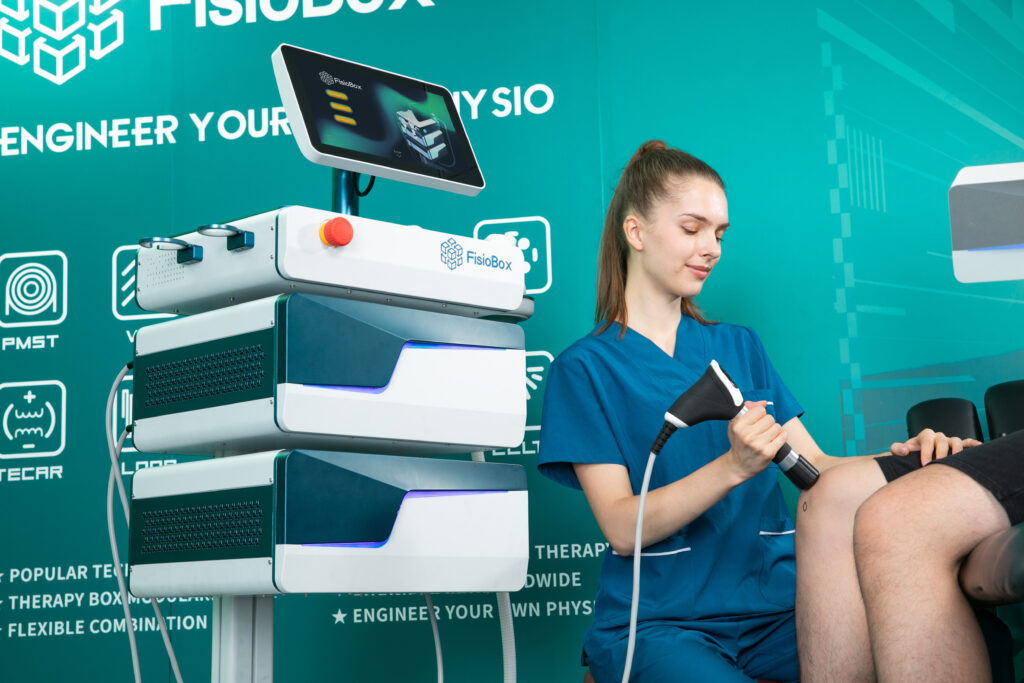
For example, FisioBox focuses on a modular system concept, allowing clinics to integrate multiple therapies into one platform. This kind of clear positioning helps distributors stand out in competitive markets.
Good distributors don’t just think about the first order—they think about what happens next.
Key questions include:
Modular and system-based products often provide better scalability compared to single-function devices, making them more attractive for long-term partnerships.
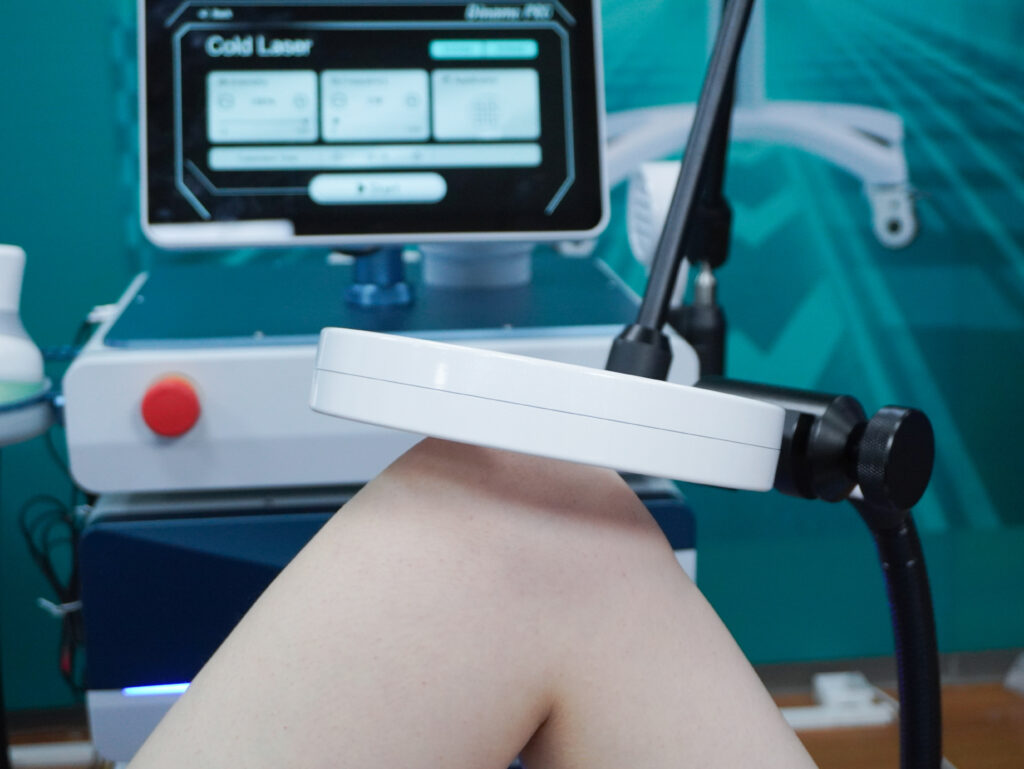
After-sales service is often where brands are truly tested.
Distributors should evaluate:
Reliable support reduces risk for distributors and builds confidence when dealing with clinics.
In today’s market, having a good product is not enough. Distributors also need help selling the story behind the product.
Strong brands usually provide:
Brands like FisioBox are increasingly working with distributors not just as suppliers, but as growth partners, helping them build presence in their local markets.
Before committing to a brand, many distributors now look for:
Hands-on experience often plays a decisive role. When distributors see actual treatment results, it becomes much easier to build confidence and close deals.
One often overlooked factor is logistics.
Even a great product can create problems if:
Stable logistics and transparent timelines are critical for maintaining trust with clients.
Finally, the most important factor: the relationship itself.
Distributors are increasingly looking for brands that:
The shift is clear—this is no longer just about buying and selling equipment. It’s about building a sustainable business together.
The physiotherapy industry is evolving quickly. Clinics are becoming more professional, patients are more informed, and expectations are higher than ever.
For distributors, choosing the right brand means choosing:
Solutions like FisioBox, with their focus on modular design and system integration, reflect where the industry is heading—toward flexibility, efficiency, and long-term value.
There is no single “perfect” brand for every distributor. But the best decisions are always based on a combination of:
By focusing on these factors, distributors can build stronger relationships, grow their local markets, and create long-term success in the physiotherapy industry.
