We’re Back to Work — And Back to Building the Future
After the Chinese New Year holiday, the team at FisioBox has officially resumed operations. Our production lines are running, our engineers are back in the lab, and our global communications are fully restored.
A new year always brings new momentum. And this year, one topic stands at the center of our strategy:
Why Modular Physiotherapy Systems Are the Future of Clinics
The physiotherapy industry is evolving rapidly. Clinics are under increasing pressure to improve efficiency, reduce operational costs, and deliver better patient outcomes — all while adapting to limited space and growing demand.
Modular physiotherapy systems are no longer just a design trend. They are becoming an operational necessity.
- 1. Rising Global Demand for Rehabilitation
According to the World Health Organization, approximately 2.4 billion people worldwide could benefit from rehabilitation services. With aging populations and the increasing prevalence of musculoskeletal conditions, demand is projected to continue rising.
For clinics, this means:
More patients
More diversified treatment needs
Greater pressure on space and equipment utilization
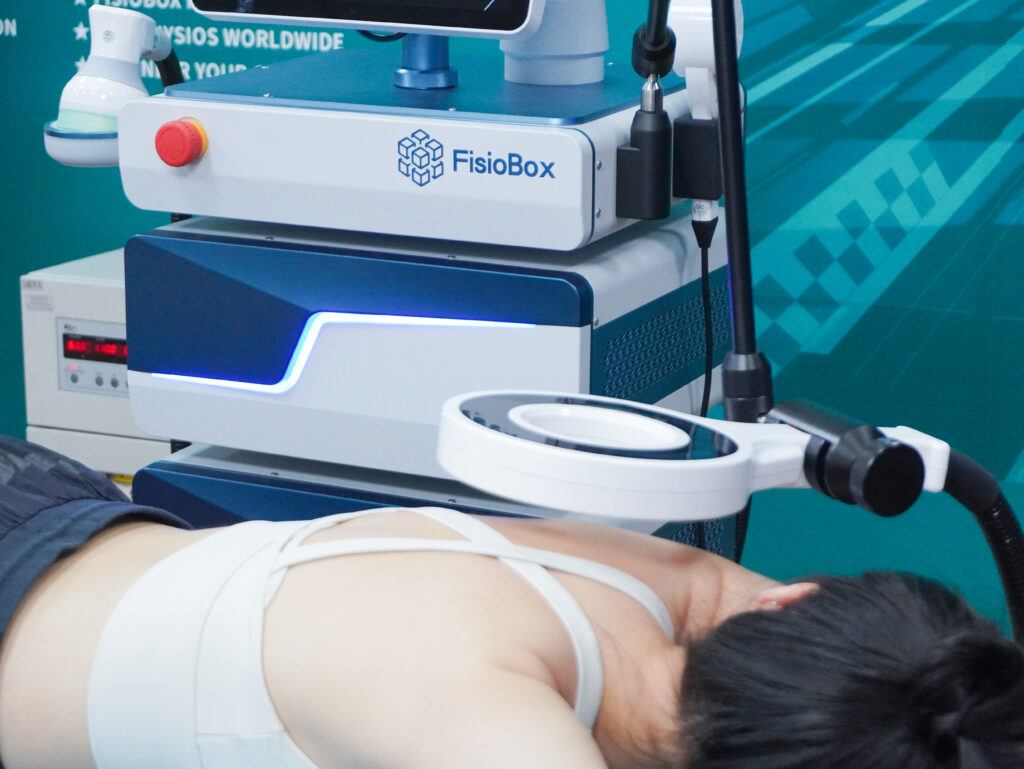
Traditional single-function devices often limit flexibility. Modular systems allow clinics to expand capabilities without rebuilding infrastructure.

- 2. Space Efficiency Is a Competitive Advantage
Urban clinics especially face rental and space constraints. Reports from McKinsey & Company emphasize that operational efficiency and asset utilization are key drivers of healthcare profitability.
Modular systems provide:
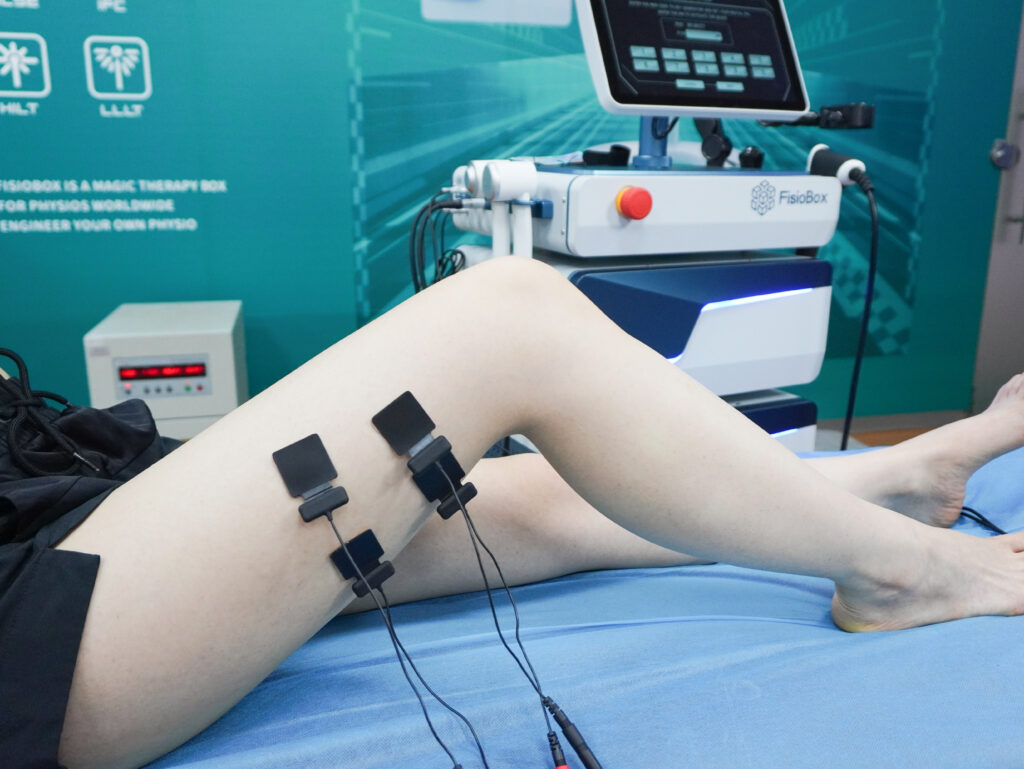
Multiple therapy modalities within one platform
Stackable or upgradable configurations
Reduced equipment redundancy
Lower long-term capital expenditure
Instead of purchasing three separate machines, clinics can integrate functions into one expandable system.
- 3. Adaptability to Evolving Treatment Protocols
Rehabilitation technology evolves quickly:
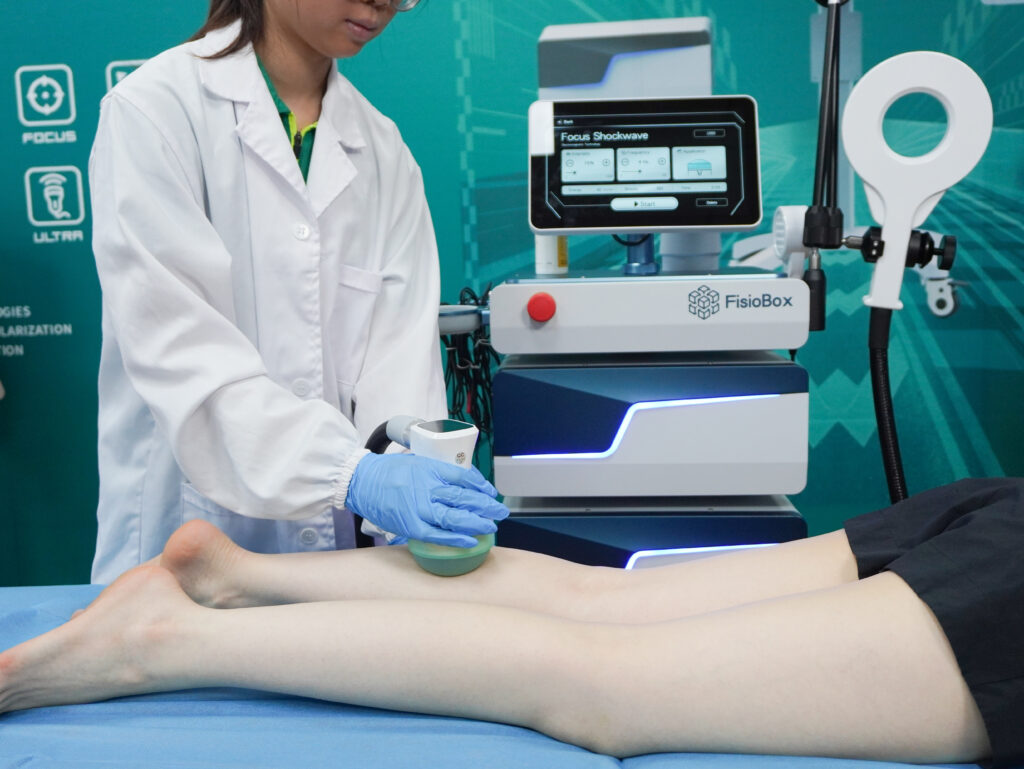
Shockwave therapy
TECAR therapy
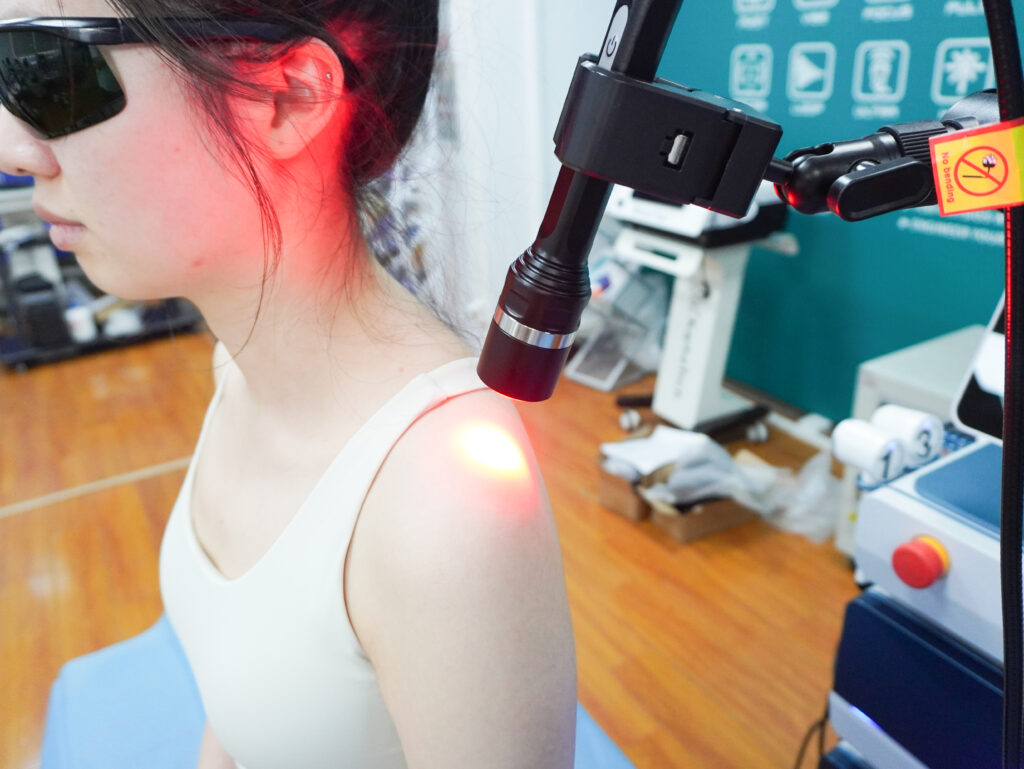
Laser therapy
Electromagnetic stimulation
Clinics that invest in fixed, single-function devices often face reinvestment cycles within 3–5 years.
Modular architecture allows:
Software updates
Hardware add-ons
Feature expansion without full replacement
This protects long-term ROI.
- 4. Standardization Across Multi-Location Clinics
For chain clinics and distributors — a key segment in today’s rehab market — modular systems enable:
Unified device platforms
Easier staff training
Simplified maintenance
Consistent patient experience
This scalability is essential for brands expanding regionally or internationally.
- 5. The Financial Logic
Modular systems reduce:
Initial investment risk
Maintenance complexity
Inventory management costs
They increase:
Equipment utilization rate
Service diversity
Revenue per square meter
For modern clinics, this is not just a technical upgrade — it’s a strategic move.
Looking Ahead
As we return from the New Year holiday, our focus remains clear: building flexible, scalable, and future-ready physiotherapy solutions.
The future of rehabilitation is not about bigger machines.
It’s about smarter systems.
And modularity is leading the way.